

In a fast-paced world built on efficiency and mass production, the word artisanal carries a kind of quiet rebellion. It speaks of patience, intention, and a return to the roots of creation—where the maker’s hands, not machines, shape the final product. But artisanal preparation is more than a label. It’s a story—one that begins long before the finished product reaches your hands.
A Return to Tradition
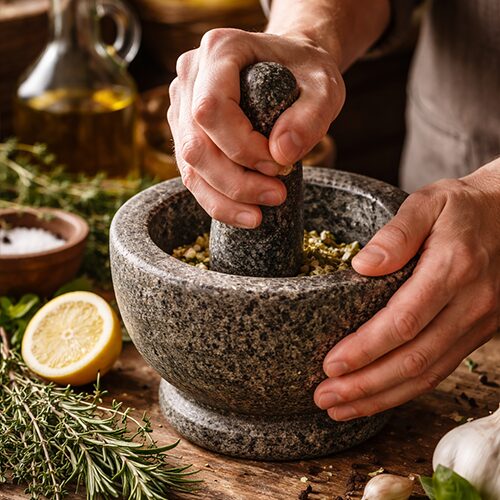
Artisanal preparation is deeply rooted in tradition. Long before factories and assembly lines, food, textiles, and goods were crafted in small batches using methods passed down through generations. These techniques weren’t just about producing something usable—they were about doing it well.
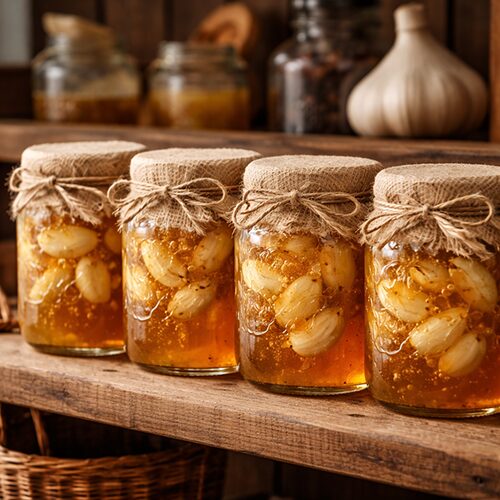
Whether it’s slow-fermented honey, hand-rolled dough, or small-batch soaps, artisanal processes often rely on time-tested practices. These methods honor the knowledge of those who came before, preserving cultural heritage in every step.
The Human Touch
At the heart of every artisanal product is a person—not a system. Unlike mass production, where uniformity is the goal, artisanal work embraces subtle variations. No two items are exactly alike, and that’s part of their beauty.
You can often see or taste the difference: a slightly uneven edge, a richer depth of flavor, a texture that feels more alive. These details tell you that someone was present in the process, making decisions, adjusting, and responding in real time.
Time as an Ingredient
One of the most defining aspects of artisanal preparation is time. In industrial settings, speed is everything. In artisanal work, time is an essential ingredient.
Fermentation, curing, aging, and resting are not rushed—they’re respected. Whether it takes days, weeks, or even months, the process unfolds naturally. This patience allows flavors to deepen, materials to strengthen, and the final product to develop character that simply can’t be replicated quickly.
A Connection to Nature
Artisanal methods often work in harmony with natural processes rather than trying to control them. Seasonal ingredients, natural fermentation, and minimal processing all play a role.
This connection to nature means that artisanal products can change slightly throughout the year. A batch made in spring might differ from one made in fall, reflecting the environment in which it was created. These variations are not flaws—they’re a signature of authenticity.
Small Batches, Big Care
Scale matters. Artisanal preparation typically happens in small batches, allowing for greater attention to detail. Makers can monitor each step closely, ensuring quality and consistency without sacrificing integrity.
This hands-on approach often results in products that feel more personal. There’s a sense that what you’re holding wasn’t just made—it was crafted.
A Story You Can Taste or Feel
Every artisanal product carries a narrative. It might be the story of a family recipe, a passion turned into a craft, or a commitment to doing things differently.
When you choose artisanal, you’re not just buying an item—you’re participating in that story. You’re supporting a way of working that values skill, care, and authenticity over speed and scale.
Why It Matters Today
In today’s world, where so much is automated and standardized, artisanal preparation offers something rare: connection. It reconnects us to the origins of what we consume, the people who make it, and the processes that bring it to life.
It reminds us that not everything needs to be rushed—and that sometimes, the best things are worth waiting for.
Final Thoughts
Artisanal preparation isn’t about nostalgia—it’s about intention. It’s about choosing quality over quantity, story over sameness, and care over convenience.
And maybe that’s why it resonates so deeply today. Because in every handcrafted item, there’s a quiet message: this was made with purpose.
Leave a Reply