
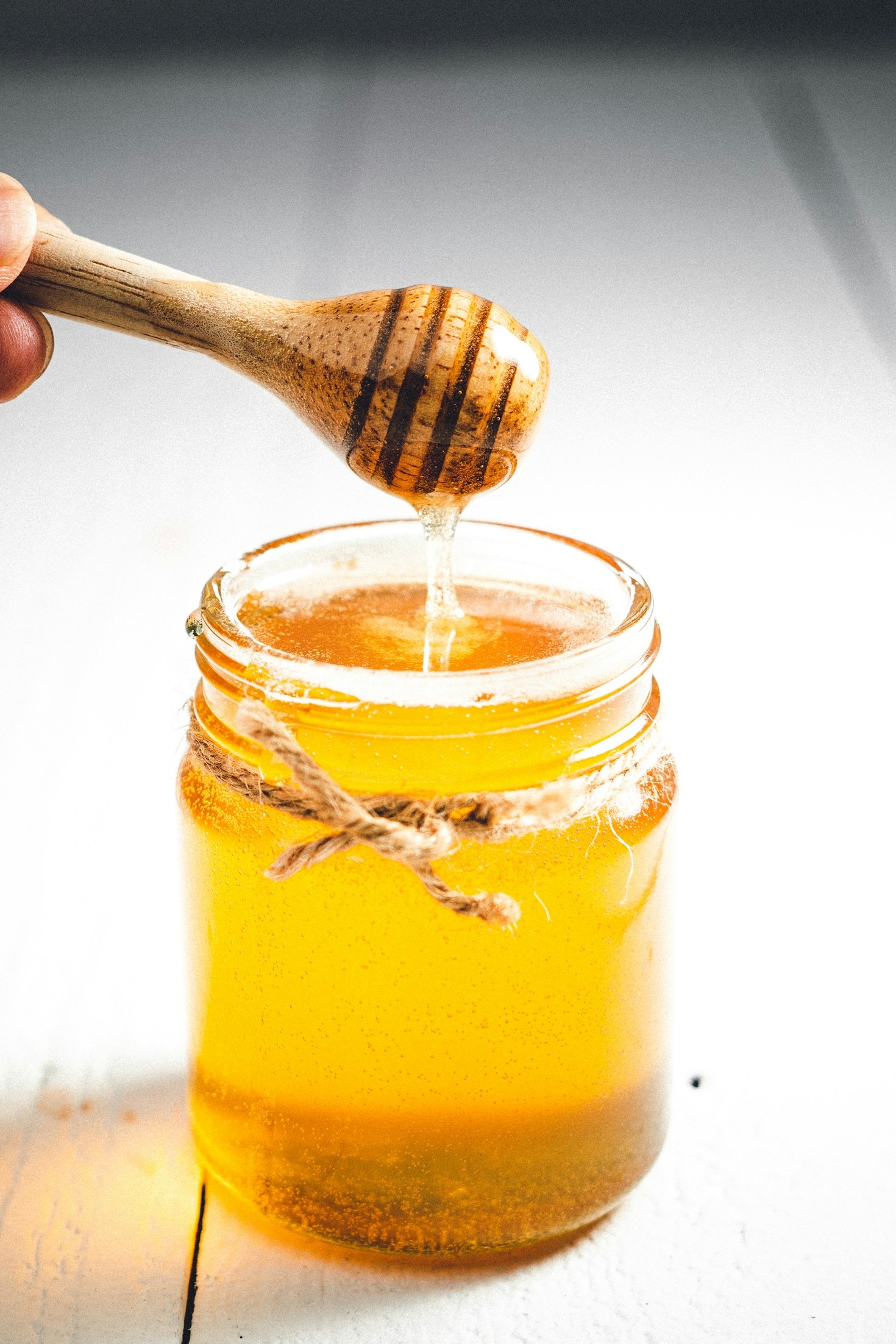
Honey has long been celebrated for its golden hue, luscious sweetness, and natural healing properties. From soothing a sore throat to enhancing culinary creations, this nectar of the bees has earned its place in kitchens and medicine cabinets worldwide. Yet, hidden within its viscous richness is a lesser-known marvel: fermented honey, a unique and ancient transformation that amplifies honey’s natural benefits and flavors.
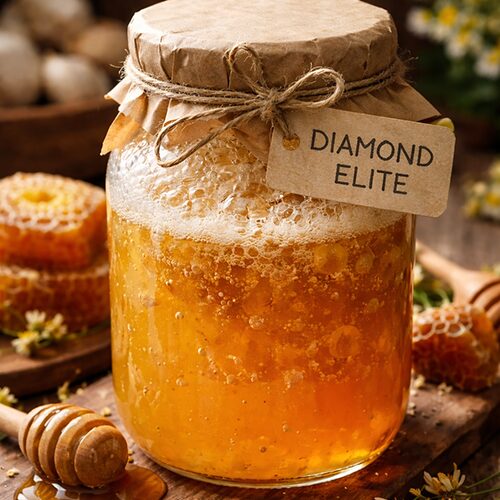
Fermented honey is a bubbly, tangy, nutrient-rich delight that’s truly a taste of nature’s alchemy.
The Science Behind Fermented Honey
Fermentation is a natural process in which microorganisms like yeasts and bacteria break down sugars into simpler compounds, producing gases, acids, and alcohol. In the case of honey, when water content rises slightly above its usual low threshold (around 17–18%), fermentation can occur. Unlike the fermentation of fruits or grains, honey’s high sugar concentration naturally inhibits most microbial activity, making the process slow and controlled—yet profoundly transformative.
The result is not just a new flavor profile; it’s an enrichment of honey’s nutritional content. Fermented honey contains probiotics, enzymes, and organic acids that support gut health and overall wellness. It’s nature’s way of turning sweetness into a functional food.
Historical Roots
Fermented honey is far from a modern trend. Ancient civilizations, from the Egyptians to the Greeks, recognized its power. Mead, the alcoholic beverage made from honey, is essentially fermented honey, celebrated both socially and medicinally. Traditional cultures also valued naturally fermented honey for its digestibility and energizing properties, long before modern science could explain why.
Taste and Culinary Uses
Fermented honey offers a complex taste experience: tangy, fruity, and slightly effervescent, with subtle notes that vary depending on the flowers visited by the bees. This versatility makes it ideal for culinary experimentation. It can elevate dressings, marinades, and desserts or serve as a natural probiotic boost when drizzled over yogurt or fruit. For adventurous palates, fermented honey can even be used in cocktails or as a glaze for roasted meats, adding depth that raw honey alone cannot achieve.
Health Benefits
The combination of honey’s natural antioxidants and the probiotics formed during fermentation may support:
- Digestive health by promoting beneficial gut bacteria
- Immune function through bioactive compounds
- Nutrient absorption thanks to enzymes that aid digestion
- Natural energy through easy-to-digest sugars
While research on fermented honey is still emerging, its reputation in traditional medicine and modern wellness circles continues to grow.
A Sweet Conclusion
Fermented honey is more than just a culinary curiosity—it’s a testament to nature’s ingenuity. This ancient process transforms a simple sweetener into a living food, rich in flavor, history, and health benefits. Next time you reach for a jar of honey, consider exploring the subtle, effervescent world of fermented honey: nature’s sweet secret, waiting to be discovered.
Leave a Reply